When searching for a home, buyers often focus on square footage, school districts, or commute times. While those factors certainly matter, location remains one of the biggest drivers of a home's long term appeal. One location that consistently deserves a closer look is a neighborhood near a college or university.
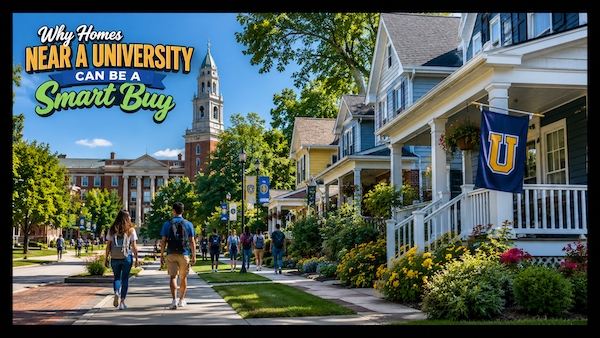
Living near a university is about much more than football games, graduation ceremonies, or bustling campus life. Established colleges often serve as economic anchors that support thousands of jobs and attract a steady flow of residents year after year. While no investment comes with guarantees, homes located near major universities frequently benefit from diverse and consistent housing demand that extends well beyond the student population.
Universities Are Long Term Economic Anchors
Think of a university as a lighthouse rather than a passing ship. Companies may relocate, industries may shift, and employers may come and go, but well established universities often remain in place for generations.
Universities contribute to local economies by supporting:
- Higher education and administrative jobs
- Teaching hospitals and healthcare systems
- Medical research facilities
- Technology and innovation centers
- Business incubators and startup companies
- Retail stores, restaurants, and entertainment venues
- Construction and infrastructure projects
These institutions continually attract new students, faculty members, researchers, healthcare professionals, and employees, helping create a stable foundation for the surrounding community.
Housing Demand Comes From Many Different Buyers
One common misconception is that homes near universities appeal only to college students. In reality, the demand for housing often comes from a much broader group of people.
Potential buyers and renters may include:
- University professors
- Administrative staff
- Graduate and doctoral students
- Healthcare professionals working at nearby hospitals
- Researchers and scientists
- Young professionals
- Families seeking convenient access to employment and amenities
Because housing demand comes from multiple sources, neighborhoods near universities may experience greater resilience during changing economic conditions.
Universities Often Improve Community Amenities
Many universities invest heavily in the surrounding community, creating amenities that residents enjoy whether they have any connection to the school or not.
These improvements may include:
- Beautiful parks and walking trails
- Museums and cultural attractions
- Performing arts centers
- Sporting events
- Public lectures and educational programs
- Restaurants, coffee shops, and local businesses
- Expanded public transportation
These features can enhance everyday living while also making the neighborhood attractive to future homebuyers.
Consider the Whole Neighborhood
Even with these advantages, purchasing near a university is not automatically the right decision for everyone. Every neighborhood has its own personality, and buyers should evaluate how well it matches their lifestyle.
Before purchasing, consider factors such as:
- Traffic during the school year
- Noise from sporting events or student activities
- Parking availability
- Planned development projects
- Local school quality
- Crime statistics
- Access to shopping and healthcare
- Commute times to work
A little research today can prevent surprises after moving in.
Thinking About Future Rental Potential?
Some buyers choose homes near universities because they may offer future rental opportunities. While that can be an added benefit, it should never be assumed.
Before purchasing with rental income in mind, review:
- Local zoning regulations
- Homeowners association rules
- Occupancy limits
- Rental licensing requirements
- Short term rental restrictions
- City ordinances affecting investment properties
Understanding these rules before closing can help you make a more informed financial decision.
The Bottom Line
The smartest home purchase is rarely about chasing the latest real estate trend. Instead, it is about choosing a location supported by multiple drivers of long term demand and selecting a home that fits your financial goals and lifestyle.
Communities anchored by universities often offer economic stability, diverse employment opportunities, strong local amenities, and consistent housing demand. While no one can predict future home values, these characteristics are some of the reasons university neighborhoods remain on many buyers' short lists.
A trusted mortgage professional can help you evaluate financing options, determine what fits your budget, and make a confident homebuying decision based on your unique goals rather than market headlines. After all, buying a home is one of life's biggest financial decisions, and choosing the right location is just as important as choosing the right house.